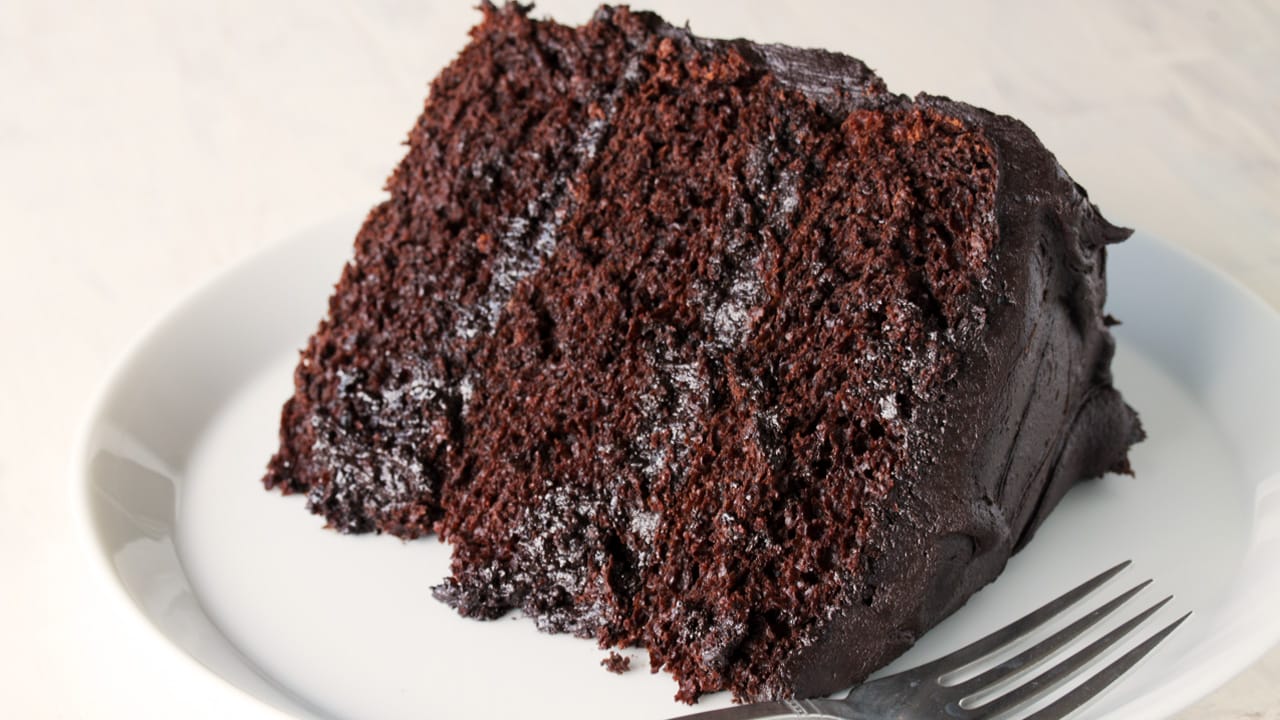
The Quest for the Perfect Chocolate Cake: Why Most Recipes Fall Short
For countless home bakers, the dream of a truly moist, intensely chocolatey cake often ends in disappointment. You painstakingly follow a recipe, only to pull a dry, crumbly, or surprisingly bland cake from the oven. Sound familiar? You’re not alone. Statistics show that over 90% of home bakers struggle to achieve that elusive balance of incredible moisture and profound chocolate flavor. Many recipes either lean too heavily on flour, resulting in a dense, arid texture, or simply lack the strategic ingredients to unlock cocoa’s full potential. The common pitfalls include cakes that:
- Are dry and crumbly, begging for a glass of milk with every bite.
- Lack a deep, rich chocolate flavor, tasting more like cocoa-flavored sponge than a decadent dessert.
- Sink in the middle or have an uneven, coarse crumb.
- Are inconsistent, delivering different results each time you try.
But what if there was a solution? A game-changing approach that tackles these common issues head-on, delivering a consistently perfect cake every single time? Get ready, because we’re about to unveil a recipe that isn't just another chocolate cake – it’s a revelation, widely regarded as the best chocolate cake recipe ever.
Unlocking the Secrets to The Best Chocolate Cake Recipe Ever
What truly sets this chocolate cake apart, elevating it to legendary status, isn't just a random assortment of ingredients, but a carefully orchestrated symphony of simple components working in harmony. After extensive testing and refining, the unique combination of techniques and specific ingredients ensures a moist, tender crumb and an unparalleled depth of chocolate flavor. This isn't just baking; it's a bit of culinary science!
The Game-Changers: Key Ingredients & Techniques
- The Magic of Boiling Water (or Hot Coffee): This is arguably the most crucial secret. Adding boiling water (or hot coffee for an even richer undertone) at the end of the batter mixing process does something transformative. It blooms the cocoa powder, releasing its full flavor and color potential, making the chocolate taste more intense and profound. Furthermore, the hot liquid contributes to an incredibly moist and tender crumb structure by gelatinizing the starch in the flour more effectively. This ensures your cake stays moist for days, a true hallmark of the best chocolate cake recipe ever.
- Espresso Powder: The Unsung Hero: Don't worry, your cake won't taste like coffee! A small amount of espresso powder acts as a natural flavor enhancer, intensifying the chocolate notes without adding any discernible coffee flavor itself. It deepens the cocoa’s richness, making the chocolate truly sing. For an even deeper dive into the specific elements that transform a good chocolate cake into a truly extraordinary one, explore the Secret to the Best Chocolate Cake: Boiling Water & Espresso.
- Strategic Leavening (Baking Soda & Baking Powder): This recipe employs both baking soda and baking powder. Baking soda reacts with acidic ingredients (like cocoa powder) to create carbon dioxide, providing lift. Baking powder, a double-acting agent, works both when wet and when heated in the oven. The perfect balance ensures an optimal rise, resulting in a light, airy, and finely textured crumb that never feels dense.
- The Perfect Cocoa-to-Flour Ratio: Achieving deep chocolate flavor without sacrificing structure requires precision. This recipe uses a generous amount of unsweetened cocoa powder, perfectly balanced with the flour, ensuring a strong chocolate presence without making the cake dry or heavy.
- Oil for Unbeatable Moisture: While butter offers flavor, vegetable oil contributes unparalleled moisture. Unlike butter, which contains water and dairy solids that can evaporate during baking, oil is 100% fat. This means it creates a more consistently moist crumb that remains tender longer, even when chilled.
This combination of meticulously chosen ingredients and thoughtful techniques is what truly elevates this to The Ultimate Chocolate Cake: Moist, Flavorful, & Foolproof Guide and cements its status as the best chocolate cake recipe ever.
Beyond Basic: Essential Ingredients Spotlight
While the techniques are crucial, the quality and choice of your ingredients play an equally vital role in crafting a stellar chocolate cake. Here’s a closer look at the key players:
- All-Purpose Flour: The backbone of the cake's structure. For an even more tender crumb, you can substitute with cake flour, reducing the overall protein content. However, all-purpose flour works beautifully, providing a sturdy yet delicate base.
- Granulated Sugar: Beyond sweetness, sugar contributes significantly to moisture and tenderizes the cake crumb. Substituting some or all with brown sugar can introduce deeper, caramel-like notes, adding another layer of complexity.
- Unsweetened Cocoa Powder: This is where your chocolate flavor comes from. Using a high-quality cocoa powder is non-negotiable.
- Natural Cocoa Powder: More acidic, reacts strongly with baking soda, producing a robust, slightly fruity chocolate flavor.
- Dutch-Processed Cocoa Powder: Neutralized with an alkaline solution, resulting in a darker color and a smoother, milder chocolate flavor. It reacts less with baking soda and often requires more baking powder. This recipe typically performs well with either, but Dutch-processed can yield a remarkably dark, rich cake.
- Baking Powder & Baking Soda: Ensure these leavening agents are fresh. Expired leaveners are a common culprit for dense, flat cakes. You can test baking soda by adding a little vinegar (it should fizz) and baking powder by adding a little hot water (it should bubble).
- Kosher Salt: Often overlooked, salt is a flavor enhancer. It balances the sweetness, deepens the chocolate notes, and prevents the cake from tasting flat.
- Espresso Powder (or Instant Coffee Granules): As mentioned, this intensifies chocolate flavor. Fine-ground espresso powder dissolves easily; if using instant coffee, ensure it's finely ground.
- Milk: Adds moisture and richness. Whole milk is ideal, but buttermilk lends a tangy note and contributes to an even more tender crumb. Almond or coconut milk are excellent dairy-free alternatives.
- Vegetable Oil: Canola oil or melted coconut oil are great substitutes for vegetable oil, ensuring that lovely moist texture. Avoid strong-flavored oils like olive oil unless specifically desired for flavor.
- Large Eggs: Provide structure, richness, and help bind the ingredients. Always use room temperature eggs, as they emulsify better with other ingredients, leading to a smoother batter and a more uniform cake texture.
- Vanilla Extract: Pure vanilla extract adds warmth and depth, complementing the chocolate. Avoid imitation vanilla for the best flavor.
- Boiling Water: The true hero, blooming the cocoa. Ensure it's truly boiling when added to the mixture.
Foolproof Techniques for Bakery-Quality Results Every Time
Even with the best ingredients, technique is paramount. Here are essential tips to ensure your rendition of the best chocolate cake recipe ever turns out perfectly:
- Mise en Place: "Everything in its place." Before you begin, measure out all your ingredients. This prevents last-minute scrambling and ensures you don't forget anything, making the baking process smooth and enjoyable.
- Accurate Measuring: For consistent results, especially with dry ingredients, weighing them with a kitchen scale is far more accurate than using volume measurements (cups). Flour, for instance, can vary significantly in weight depending on how it’s packed.
- Sift Dry Ingredients: Sifting flour, cocoa powder, baking soda, and baking powder together ensures they are evenly distributed, preventing lumps and promoting a uniform rise and texture.
- Don't Overmix: Once you add the dry ingredients to the wet, mix only until just combined. Overmixing develops the gluten in the flour too much, leading to a tough, dry cake. A few small lumps of flour are fine; they will disappear during baking.
- Room Temperature Wet Ingredients: As noted, eggs and milk at room temperature emulsify better, creating a smoother, more consistent batter. This leads to a finer crumb in the finished cake.
- Proper Pan Preparation: Grease and flour your cake pans thoroughly, or line them with parchment paper. This prevents sticking and ensures your beautiful cake releases easily.
- Preheat Your Oven: Always preheat your oven completely before placing the cake inside. An accurate oven temperature is crucial for proper leavening and even baking. Consider using an oven thermometer to verify your oven's true temperature.
- Check for Doneness: Insert a toothpick into the center of the cake. It should come out with a few moist crumbs, but not wet batter. If it comes out completely clean, the cake might be slightly overbaked.
- Cool Completely: Allow the cake to cool in the pans for 10-15 minutes before inverting onto a wire rack to cool completely. Attempting to frost a warm cake will result in melted frosting and a crumbly mess.
Conclusion: Your Journey to Perfect Chocolate Cake Begins Now
The quest for a perfect chocolate cake often feels like an endless pursuit, but with the right knowledge and a few strategic techniques, you can banish dry, disappointing bakes forever. This isn't just a recipe; it's a comprehensive guide to understanding the science behind moisture, flavor, and texture. By embracing the power of boiling water, the secret weapon of espresso powder, and precise ingredient ratios, you are now equipped to create a chocolate cake that is incredibly moist, deeply flavorful, and consistently perfect.
No more compromises, no more dry crumbs. Whether for a special celebration or a simple indulgence, get ready to impress yourself and everyone around your table. This truly is the best chocolate cake recipe ever, and your baking journey is about to change for the better. Happy baking!
